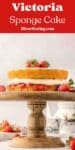
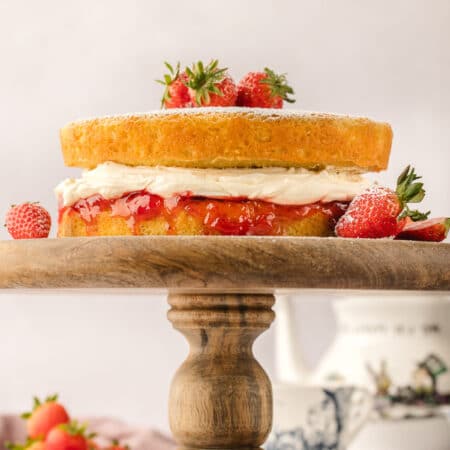
Victoria sponge cake is a classic, simple cake made with light, tender layers filled with jam and whipped cream. It’s an easy, from-scratch recipe that’s perfect when you want a traditional cake with simple ingredients.
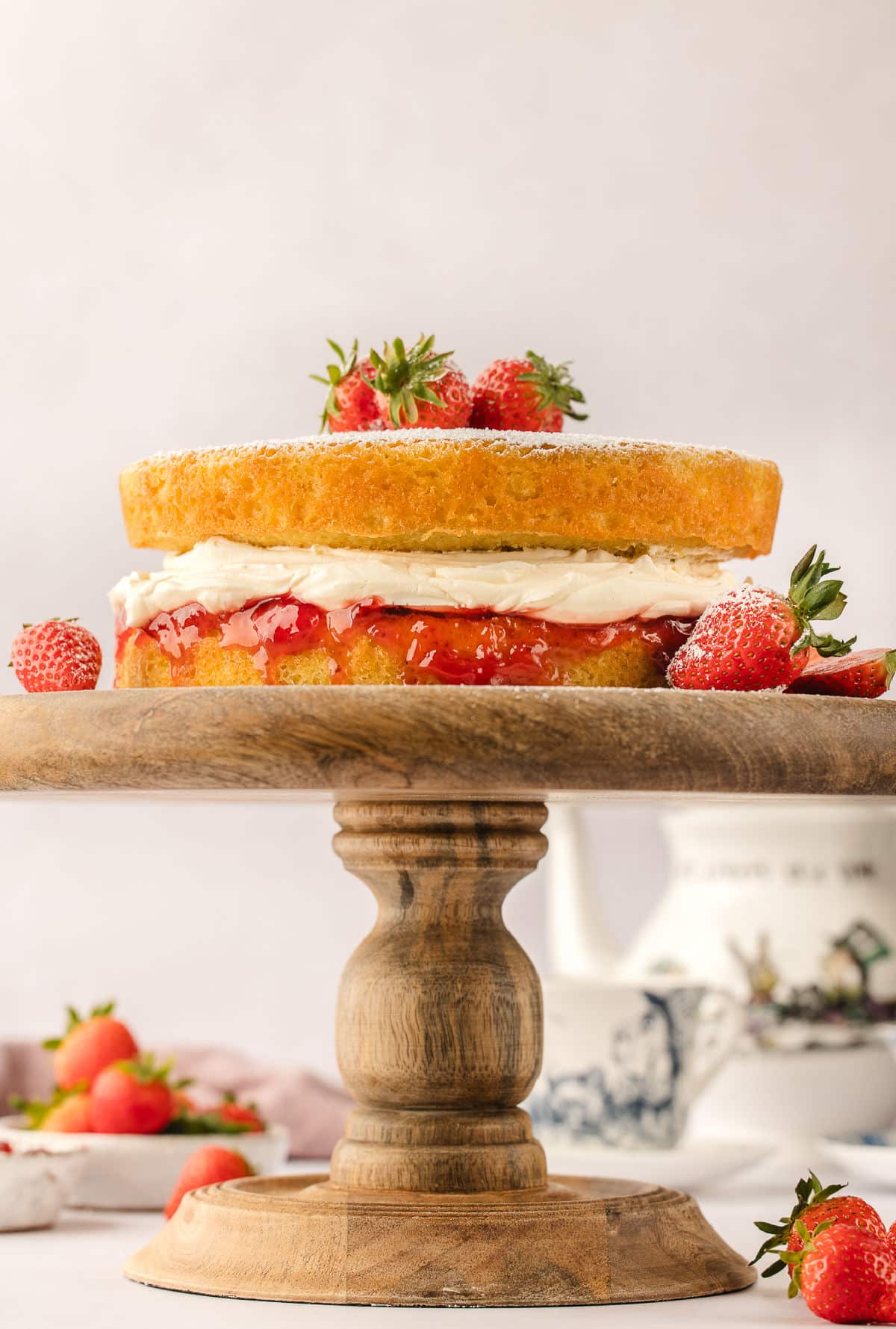
Victoria sponge cake is a classic cake known for its light texture and simple filling of jam and cream. The cake is so named because it is believed that Queen Victoria enjoyed a slice of this cake in the afternoon with a cup of tea.
Made with basic ingredients, it’s a straightforward recipe that comes together easily and bakes into soft, tender layers. The finished cake is lightly sweet and balanced, making it a great option for everything from afternoon tea to casual desserts to special occasions.
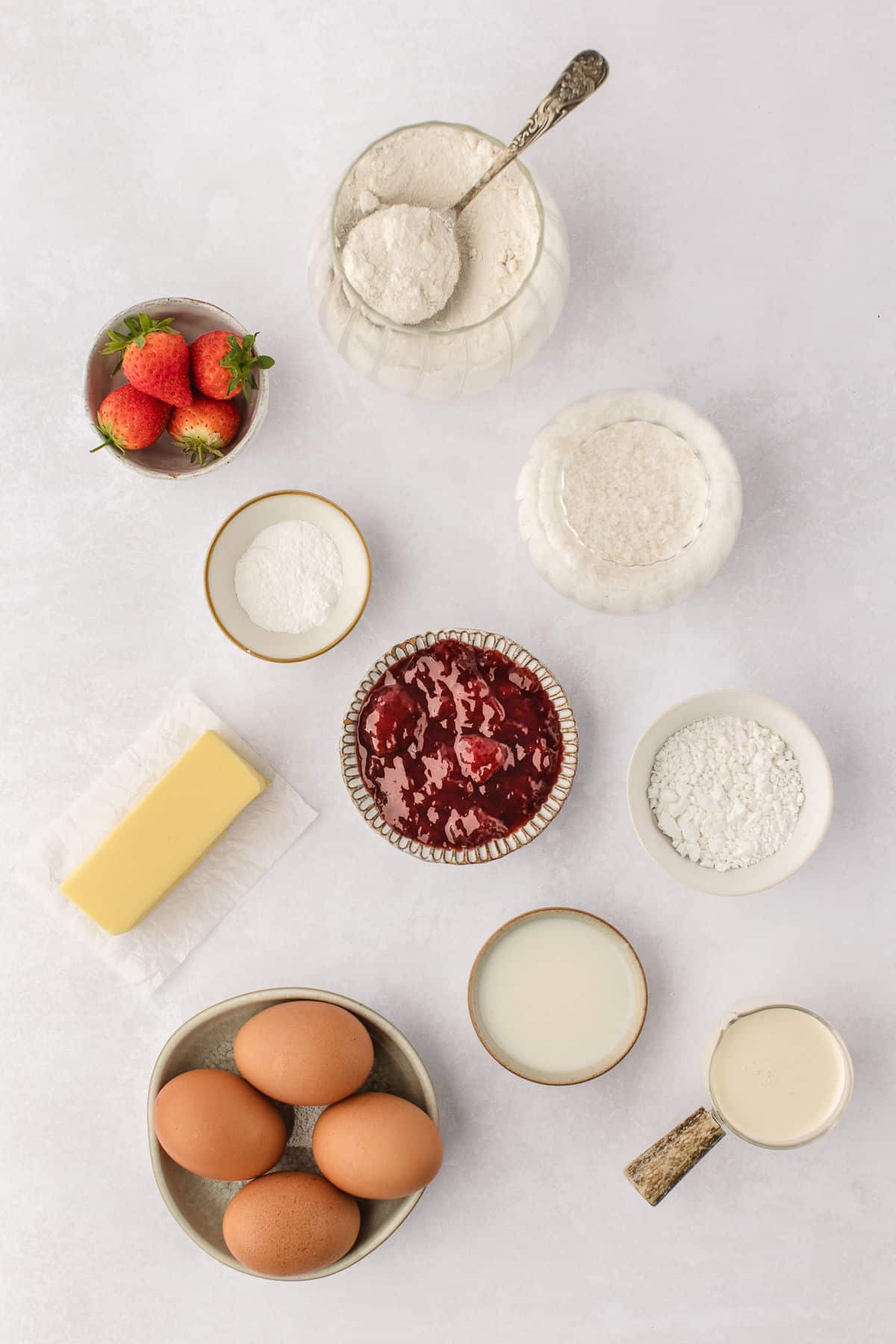
Ingredient notes and substitutions
- Butter: If using salted butter, omit the salt in the sponge.
- Eggs: Traditionally, 240 g of eggs were used in this cake. Since 4 American eggs weighs 200 g, the ingredients were scaled to match the American egg weight.
- Flour: In Britain, the cake is often made with self-rising flour. However, after extensive testing, this recipe was developed with flour, baking powder, and salt.
- Whipped cream: If you would like tips on how to best make homemade whipped cream, check out my whipped cream recipe post.
- Jam: Be sure to use a good-quality jam, not jelly. Strawberry is a popular variation, but raspberry jam is the traditional filling.
How to make Victoria sponge cake
Here you’ll find instructions and step-by-step photos showing how to make this recipe. The full recipe, including ingredients, is given below.
Step 1: Preheat oven to 350°F (175°C). Grease and line two 8-inch round cake pans with parchment paper.
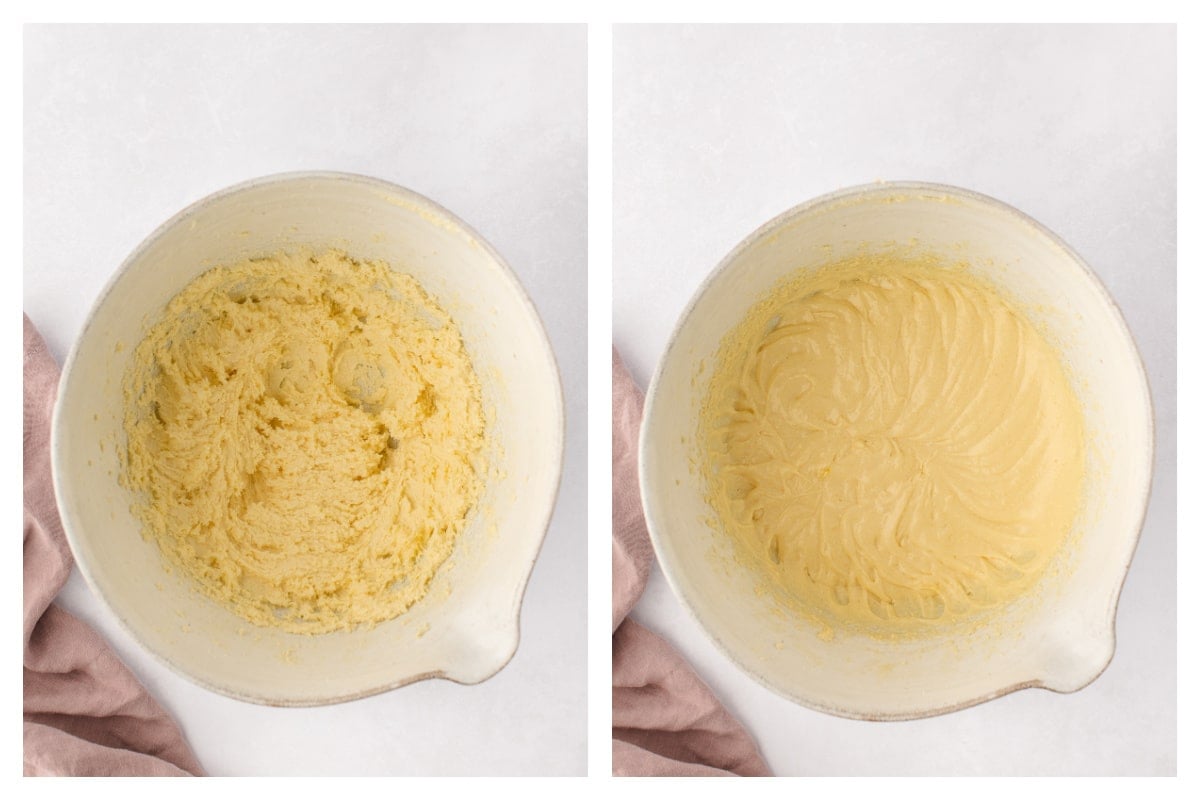
Step 2: In a large mixing bowl, beat the softened butter and granulated sugar together for 3–4 minutes with a mixer until pale and fluffy.
Step 3: Add the eggs one at a time, beating well after each addition. If the mixture looks slightly curdled, add a spoonful of the flour to bring it back together.
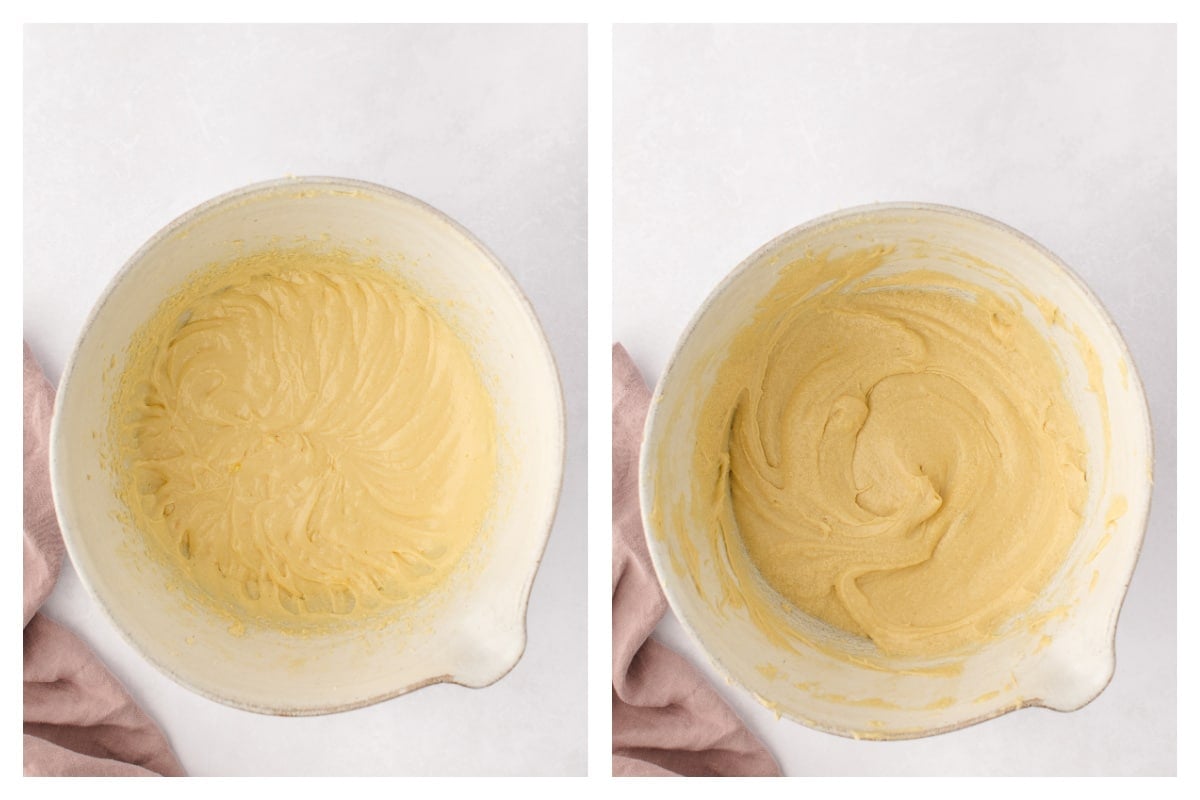
Step 4: In a separate large bowl, whisk together the flour, baking powder, and salt.
Step 5: Fold the dry ingredients into the butter mixture in two additions. Add the milk with the final addition of flour mixture. Mix just until combined. The batter should be smooth.
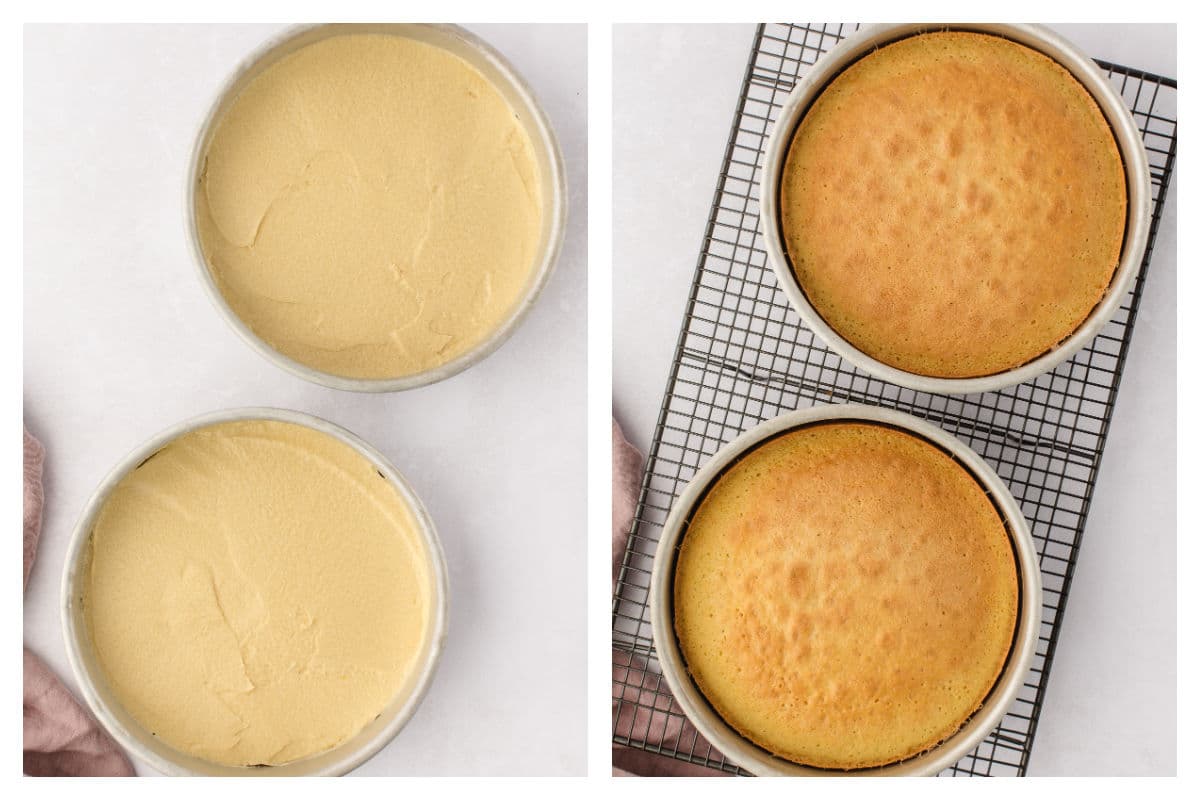
Step 6: Divide the batter evenly between the prepared pans (about 490g per pan for precision) and smooth the tops gently.
Step 7: Bake for about 25–30 minutes. The cakes are ready when: The tops are lightly golden, the centers spring back when gently pressed, a toothpick inserted into the center comes out clean.
Step 8: Remove from the oven and cool in the pans for 10 minutes, then turn out onto a wire cooling rack to cool completely.
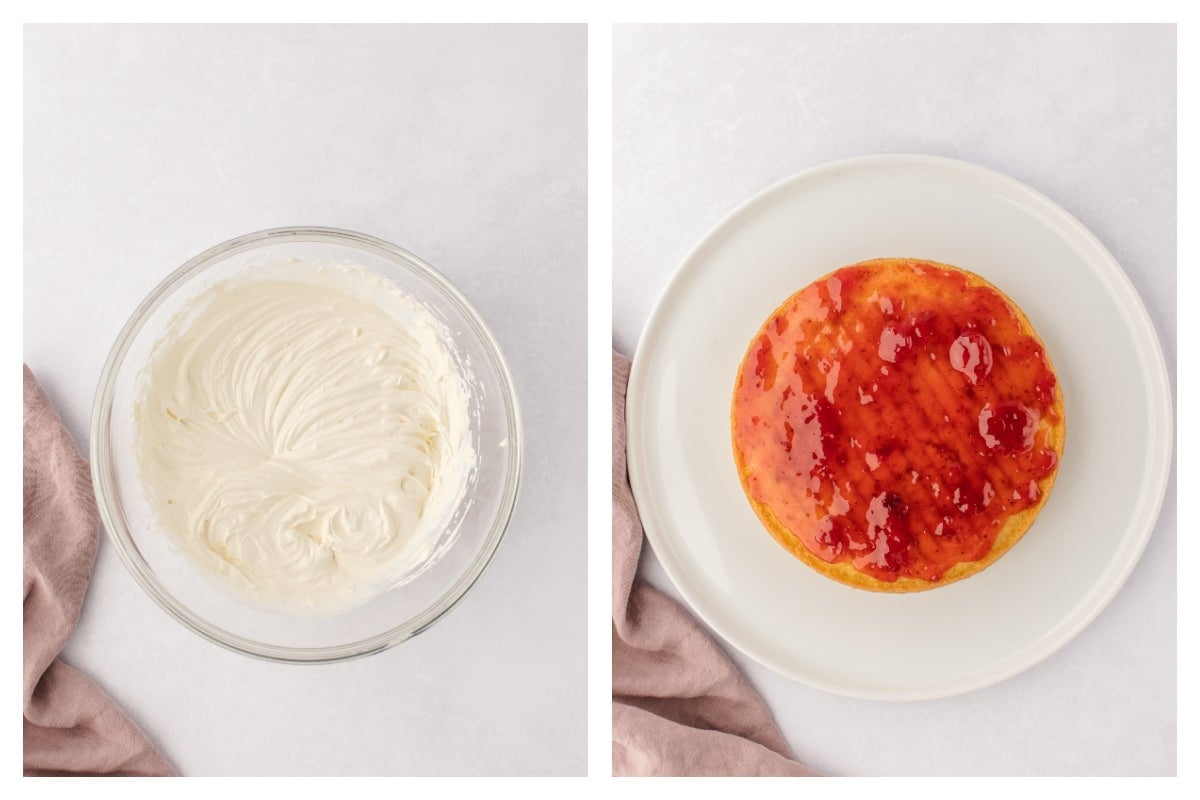
Step 9: In a mixing bowl, add the heavy cream and powdered sugar then whisk until medium-firm peaks form. The cream should hold its shape while remaining smooth and silky.
Step 10: Place one sponge layer flat-side up on a serving plate. Spread the strawberry jam evenly over the surface.
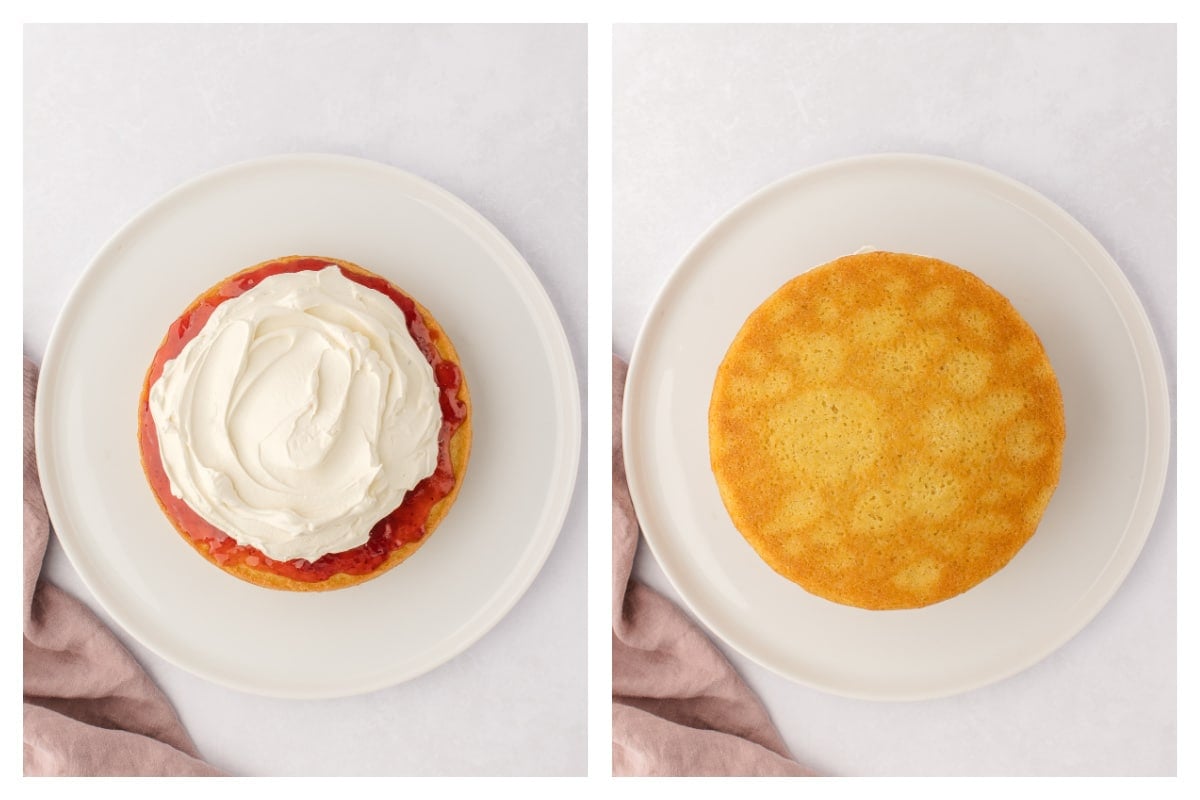
Top with the whipped cream, spreading gently and leaving a small border around the edge to prevent overflow.
Step 11: Place the second sponge cake layer on top, flat-side down. Press gently to settle. To serve, dust generously with powdered sugar and decorate with fresh strawberries if desired.
Recipe Tips!
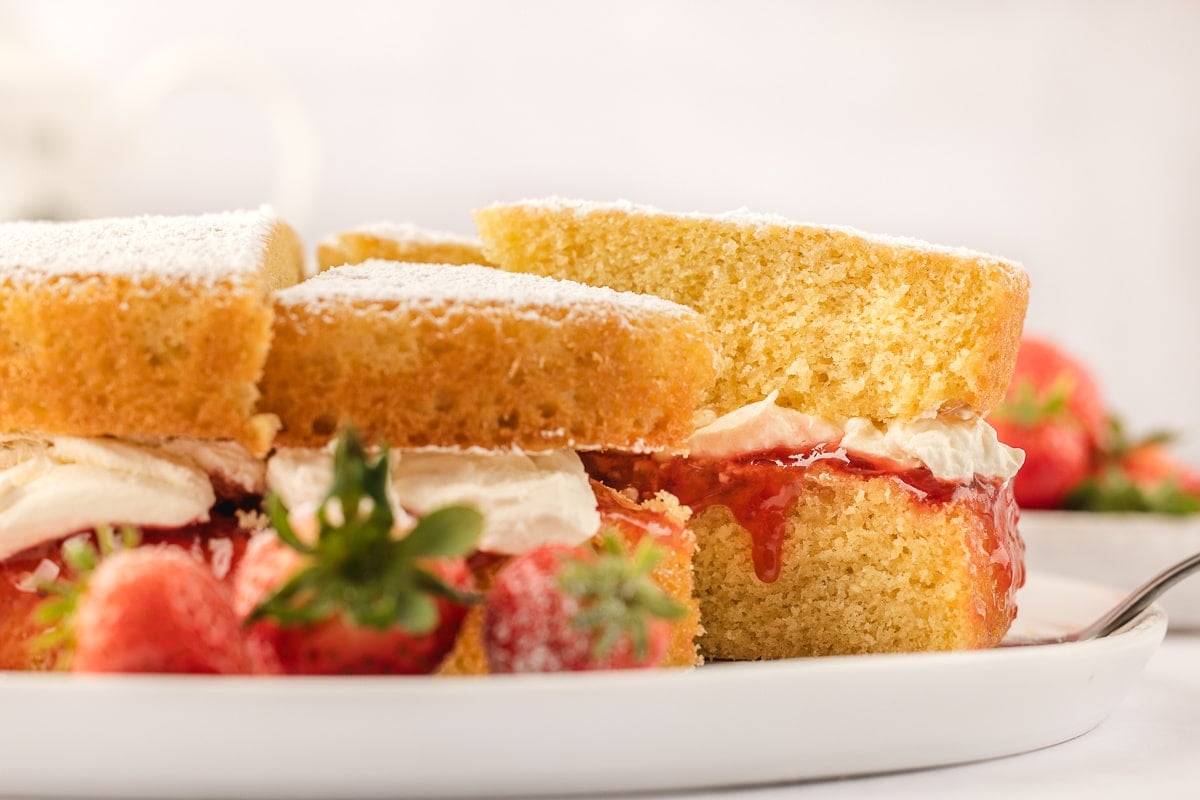
- Variations: A traditional Victoria sponge cake was filled with raspberry jam and no cream. However, strawberries and cream is a popular modern variation. Some cakes choose to use buttercream frosting in place of whipped cream.
- Whipped cream filling: Vanilla isn’t as popular in the UK as it is in the US, so there is no vanilla extract in the whipped cream portion of the cake. However, you can add a teaspoon of vanilla if you prefer.
- Room temperature butter: For the best Victoria Sponge use soft butter at room temperature so that it creams well with the sugar.
- Don’t overmix: Don’t overmix the batter once the flour has been added. Over mixing develops gluten which means the sponge won’t be as light and tender.
Storage
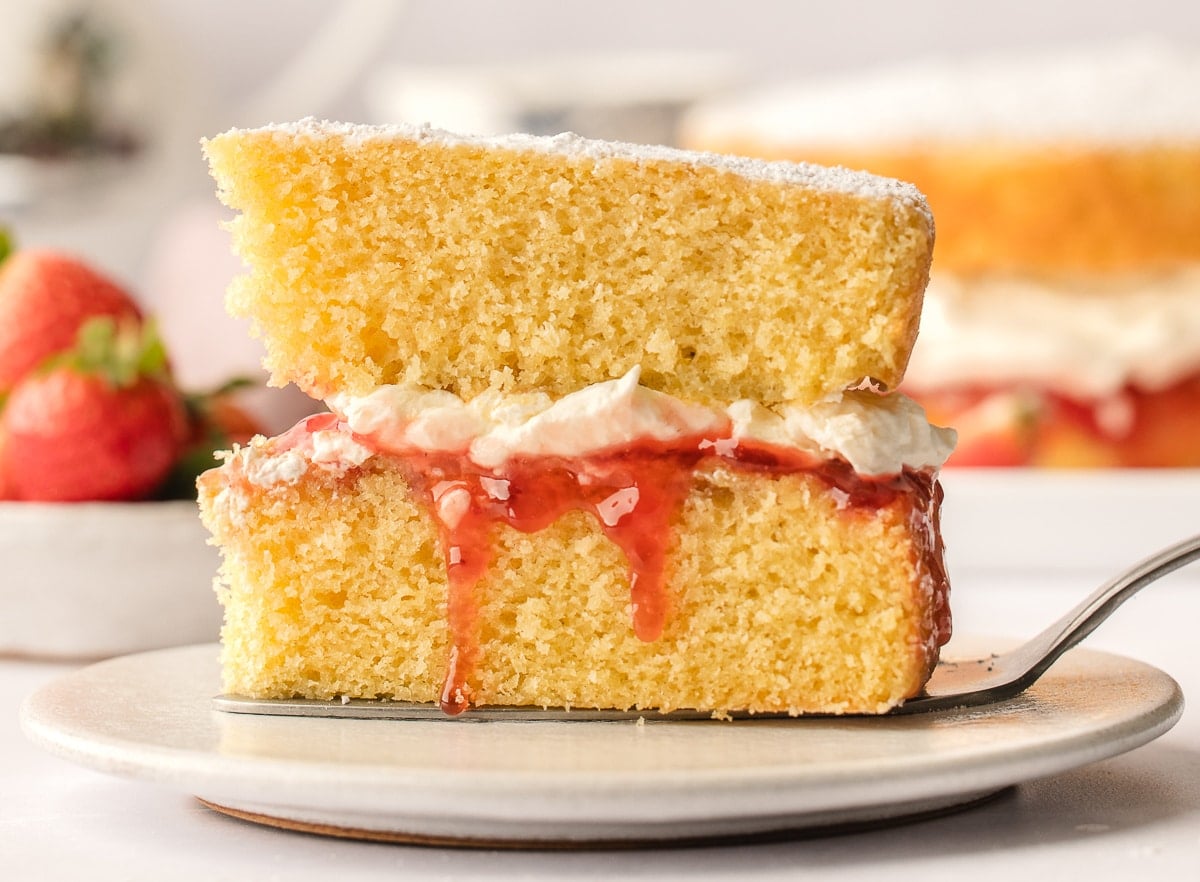
This cake is best enjoyed the day it is made and assembled. The sponge is at its softest and the cream is at its freshest within the first few hours.
Room Temperature: If serving within 3–4 hours, the cake can sit at cool room temperature, lightly covered, especially in a cooler kitchen.
Refrigerator: For longer storage, refrigerate the assembled cake in an airtight container or loosely covered with plastic wrap. It will keep well for up to 2 days.
Allow the cake to sit at room temperature for 20–30 minutes before serving so the sponge and filling soften.
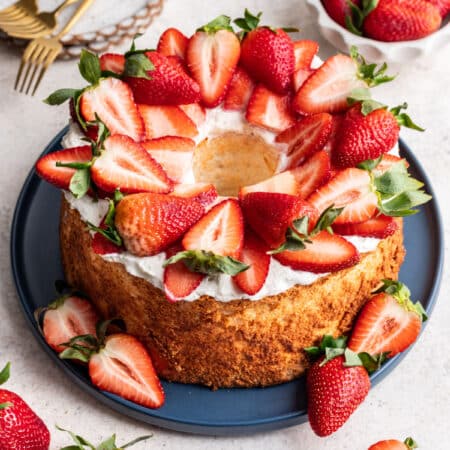
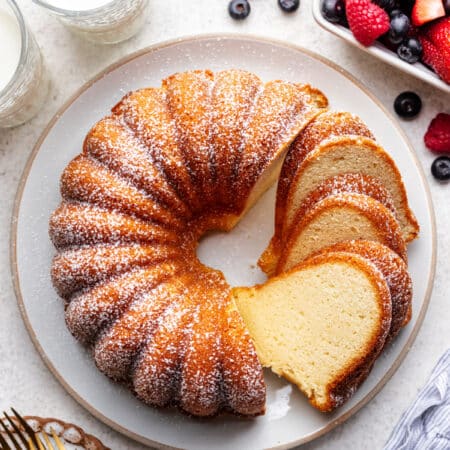
More classic cake recipes!
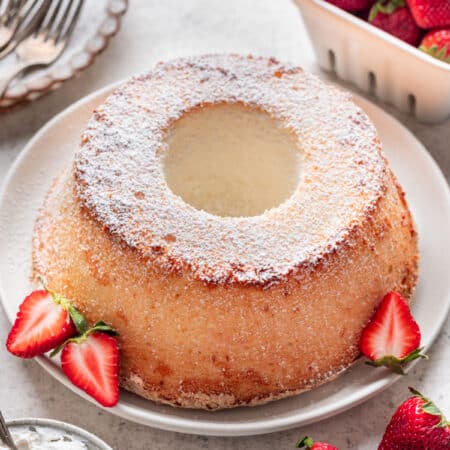
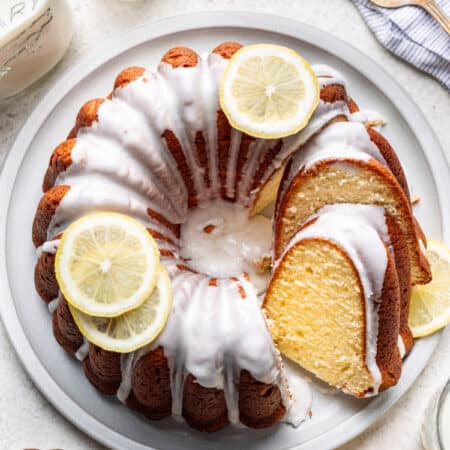
If you’ve tried this Victoria sponge cake recipe, don’t forget to rate the recipe and leave me a comment below. I love to hear from people who’ve made my recipes!
You can subscribe to receive my latest recipe newsletters or follow me on Facebook, Instagram, Pinterest, YouTube, or TikTok for even more delicious food.

Victoria Sponge Cake
Equipment
Ingredients
Sponge Cake
- 14 tablespoons unsalted butter at room temperature
- 1 cup granulated sugar
- 4 large eggs
- 1 ½ cups all-purpose flour
- 2 teaspoons baking powder
- ½ teaspoon salt
- 2 tablespoons whole milk
Filling
- ¾ cup heavy cream cold
- 2 tablespoons powdered sugar
- ½ cup good-quality strawberry jam
Decoration
- Fresh strawberries
- Powdered sugar for dusting
Instructions
- Preheat oven to 350°F (175°C). Grease and line two 8-inch round cake pans with parchment paper. Set aside.
- In a large mixing bowl, beat the softened butter and granulated sugar together for 3–4 minutes until pale and fluffy.14 tablespoons unsalted butter, 1 cup granulated sugar
- Add the eggs one at a time, beating well after each addition. If the mixture looks slightly curdled, add a spoonful of the flour to bring it back together.4 large eggs
- In a separate bowl, whisk together the flour, baking powder, and salt.1 ½ cups all-purpose flour, 2 teaspoons baking powder, ½ teaspoon salt
- Fold the dry ingredients into the butter mixture in two additions. Add the milk with the final addition of flour. Mix just until combined. The batter should be smooth.2 tablespoons whole milk
- Divide the batter evenly between the prepared pans (about 490g per pan for precision) and smooth the tops gently.
- Bake for 28–30 minutes. The cakes are ready when: The tops are lightly golden, the centers spring back when gently pressed, a toothpick inserted into the center comes out clean.
- Remove from the oven and cool in the pans for 10 minutes, then turn out onto a wire rack to cool completely.
- In a mixing bowl, add the heavy cream and powdered sugar then whisk until medium-firm peaks form. The cream should hold its shape while remaining smooth and silky.¾ cup heavy cream, 2 tablespoons powdered sugar
- Place one sponge layer flat-side up on a serving plate. Spread the strawberry jam evenly over the surface.½ cup good-quality strawberry jam
- Top with the whipped cream, spreading gently and leaving a small border around the edge to prevent overflow.
- Place the second sponge layer on top, flat-side down. Press gently to settle.
- To serve, dust generously with powdered sugar and decorate with fresh strawberries if desired.
Notes
- Butter: If using salted butter, omit the salt in the sponge.
- Eggs: Traditionally, 240 g of eggs were used in this cake. Since 4 American eggs weighs 200 g, the ingredients were scaled to match the American egg weight.
- Flour: In Britain, the cake is often made with self-rising flour. However, after extensive testing, this recipe was developed with flour, baking powder, and salt.
- Whipped cream: If you would like tips on how to best make homemade whipped cream, check out my whipped cream recipe post.
- Jam: Be sure to use a good-quality jam, not jelly. Strawberry is a popular variation, but raspberry jam is the traditional filling.
- Nutrition values are estimates.
Nutrition
Did You Make This Recipe?
Share it with me on Instagram @i_heart_eating and follow on Youtube @katedean and Pinterest @katedean for more!










Love this recipe?
Share your thoughts below and let’s chat! Make sure to connect with me on your favorite social platform below and show me what you made!